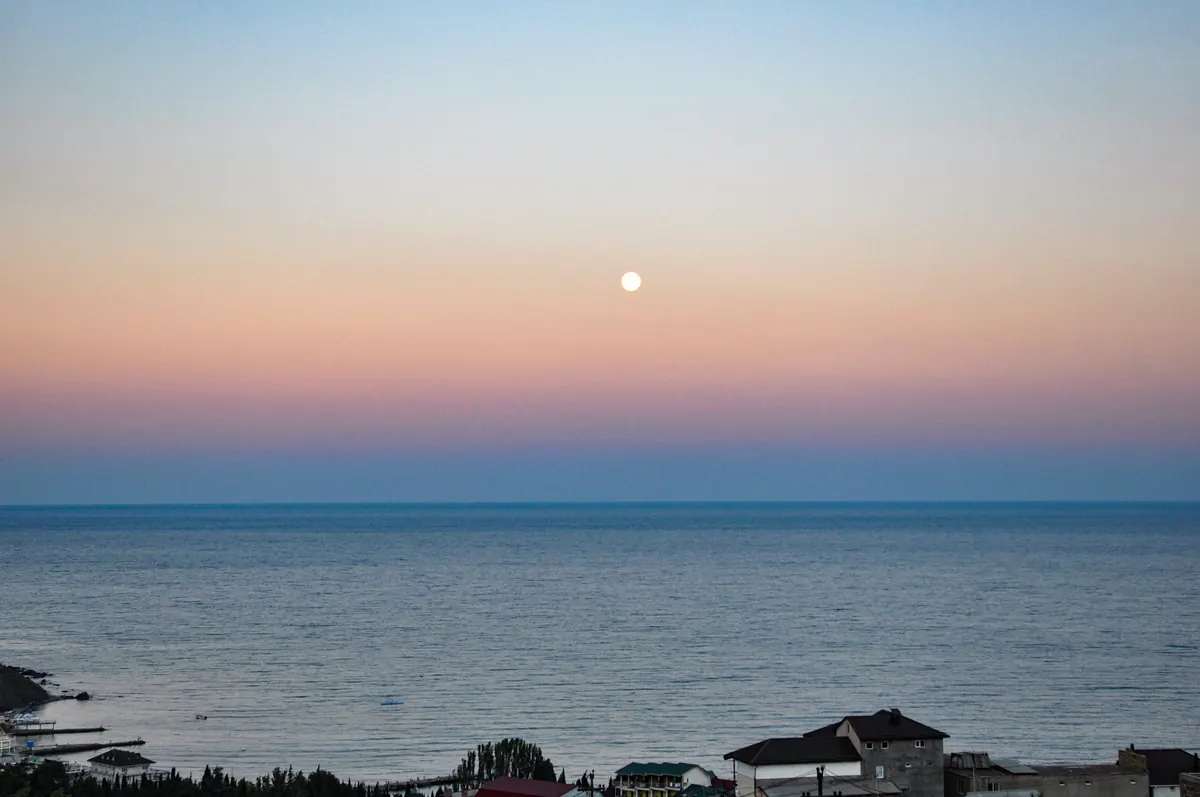
Twice a lunar month the sea puts on a bigger show. Spring tides push water further up the beach and pull it back further than at any other time. A fortnight later, neap tides do the opposite and the whole coast seems to be running on half power. For anyone who swims, fishes, walks the dog or turns over rocks, that fortnightly swing decides where you can go, how long you have, and how hard the currents are pulling.
The moon is the main driver. Its gravity pulls the ocean into two bulges, one beneath it and one on the far side of the Earth, and as the planet turns we pass through both. That is why most UK beaches get two high waters and two low waters in roughly 24 hours and 50 minutes.
The sun pulls on the sea too, just less strongly. When the sun and moon line up, at new and full moon, their pulls work together and the range grows. Those are spring tides. When they sit at right angles, around the first and third quarters, the pulls partly cancel and the range shrinks. Those are neap tides. You get two of each every lunar month, so they alternate roughly every seven days.
The name has nothing to do with the season; it comes from an old sense of the word meaning to rise or leap up. The biggest springs often arrive a day or two after the full or new moon, and they grow larger still when the moon is closest to Earth. Add low pressure and a strong onshore wind and you get the sort of tide that laps over promenades and sea walls.
You do not need to track the moon to plan a trip. The table tells you. Look at the predicted high and low water heights for the day and work out the difference between them — that figure is the range.
Many published tables print the range as a column or flag the biggest tides, which saves you the arithmetic. Two cautions. The table is calculated for one specific port, and times and heights at your beach can differ noticeably, so use one covering your stretch of coast where possible. And check whether times are GMT or BST — an hour's error is plenty to miss your low water window.
Spring tides are not stronger in the sense of pushing harder. There is simply more water moving through the same six hours or so, and that has three practical effects.
The first is reach. High water climbs further up the shore, sometimes onto slipways and steps that stay dry at neaps. The second is exposure. Low water drops further out, uncovering rocky ledges, sandbars, channels and the occasional old mooring block that stays hidden the rest of the month. That is the tide to choose if you want to walk to a sand spit or see the lower shore.
The third is speed. More water in the same window means faster currents, particularly around headlands, harbour mouths and estuary channels. A gutter you stepped across at neaps can be waist deep and moving at walking pace on a spring tide. On big estuaries the flows become genuinely powerful. If you are swimming, paddling or wading, this is the tide to treat with respect, and the one where a rising sea can cut off a headland or a favourite beach in minutes.
Neap tides bring a smaller range, gentler currents and slower changes. For a first sea swim, a paddleboard session or an afternoon with children on a shallow beach, they are usually the friendlier option. High water at neaps also leaves more dry sand, because it does not climb as far up the beach.
The catch is what you lose at the bottom of the tide. Low neaps barely drain the lower shore, so rocky ground exposed at springs stays under water. Rockpools sit half full or not at all. In shallow estuaries and muddy inlets, less water movement means less flushing, so floating weed and debris tend to linger. And on a sandy beach, a neap low can look disappointing: a narrow wet strip and no pools worth crouching beside.
Both tides have their uses, and the choice comes down to which part of the shore you want to see.
The water pulls back furthest, exposing the lower shore: kelp, coralline algae, anemones, crabs, small fish and the occasional squat lobster. This is where the interesting things are. It is also the most demanding ground — slippery, uneven, and a long way from the safety of the upper beach.
You get easy access to mid-shore pools holding limpets, periwinkles, barnacles, beadlet anemones and the odd blenny. Less dramatic, but ideal for children or for a quick hour when you do not fancy a long scramble.
A simple routine makes either trip work:
Most tidal incidents on the UK coast involve people who did not realise how quickly the water was returning, not people caught out by a dramatic wave. Spring tides are not dangerous in themselves; they simply leave less margin for error. Beaches that are walkable at neaps can be cut off at springs, and a channel that was ankle deep on the way out can be a serious obstacle on the way back.
If you are planning anything beyond a paddle at the edge — a long swim, a walk across a causeway, a kayak trip through a harbour mouth — get local advice first from the coastguard, a lifeguard, the harbour office or a local club. They will know the quirks of that stretch: the tide race, the shifting sandbank, the point where the water comes round behind you.
Learn the fortnightly rhythm and you will plan better days out. A run of plan-ahead springs, then a fortnight of easier neaps, then round again. Watch the table, watch the sea, and the coast becomes a far more generous place.
Photo: Оля Лаговська / Pexels
Combine tide tables, storm surge forecasts and official weather warnings to judge winter coastal flood risk — plus a...
Chart datum is the baseline behind every UK tide height. Here's how to read predictions properly, add them to...

A practical checklist for dog owners on UK coasts and estuaries, covering tide tables, the rule of twelfths, cut-off...

Your daily guide to tides and coastal conditions.
